

Cart
0

Table of Contents
- Why Hikers Are Ditching $300 Boots for Cheaper Alternatives
- Quick Comparison: Budget Hiking Boots and Lightweight Options
- Cheap Hiking Shoes That Don't Skimp on Grip or Comfort
- Trail Runners for Hiking: When Lighter Footwear Wins
- Hiking Shoes vs. Hiking Boots: Matching Footwear to Terrain and Load
- Cost Per Mile: What Budget Hiking Boots Really Cost You
- Fit, Break-In, and Blister Prevention for Cheaper Footwear
- When Expensive Hiking Boots Are Still the Safer Choice
- Frequently Asked Questions
Last Updated: October 21, 2026
Why Hikers Are Ditching $300 Boots for Cheaper Alternatives
The best alternatives to expensive hiking boots are low-cut hiking shoes, trail runners, and budget boots that pair a grippy outsole with a comfortable fit. At Granite Peak Gear Co., we hear the same question every season: do you really need a $300 boot to walk a trail? For most day hikers and weekend campers, the answer is no.
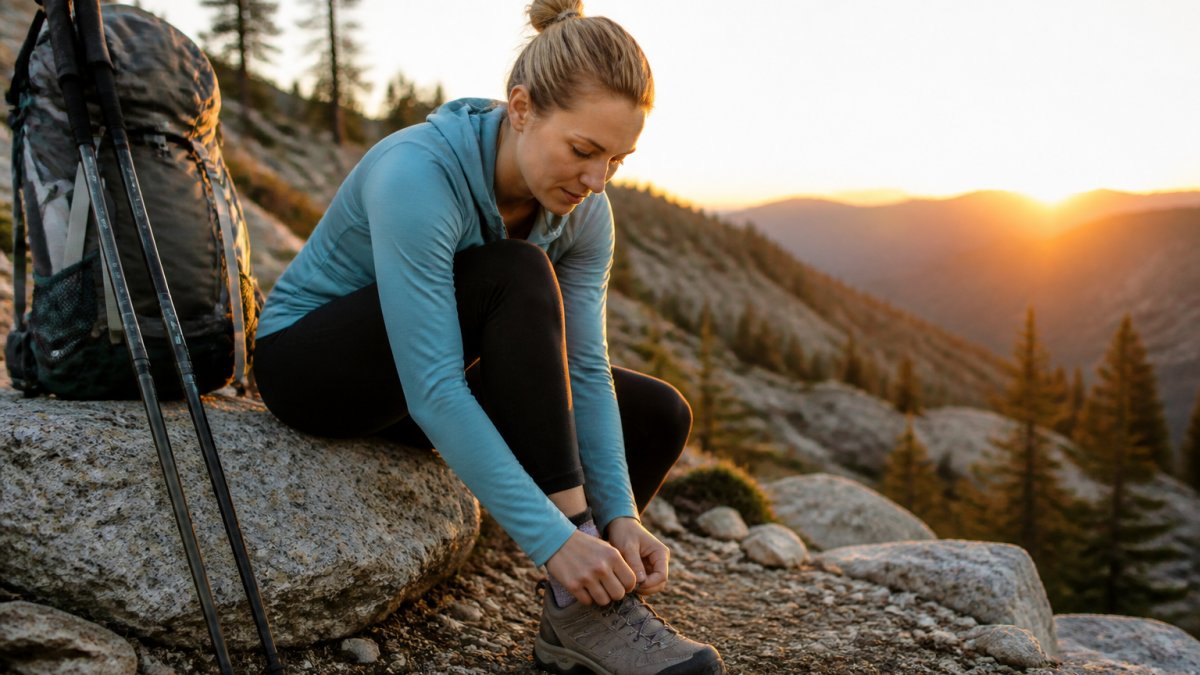
The shift is simple economics. A heavy leather boot built for mountaineering carries cost you never use on a maintained trail. Lighter hiking footwear dries faster, feels broken in on day one, and costs a fraction of the price. What most guides miss is that weight, not price, is the real reason hikers are switching. Every extra gram on your foot adds effort with each step.
Key Takeaway
Match the shoe to the trip, not to the price tag. Most hikers overbuy boot and underbuy fit.
Quick Comparison: Budget Hiking Boots and Lightweight Options
Here is the short list we recommend, sorted by price. Every option below comes from our own lineup, so you can compare directly.
| Model | Price | Height | Best For |
|---|---|---|---|
| New Canvas High-top Tooling Retro Boots | $24.41 | High-top | Casual day hiking |
| Men's Outdoor Hiking Boots for Camping | $26.84 | Low-top | Warm-weather day hikes |
| Men's Lightweight Plus-Size Boots | $28.55 | Low-top | Wide feet, plus sizes |
| Men's Leather Low-Top Winter Boots | $34.62 | Low-top | Cold and wet trails |
| Desert Combat Hiking Boots | $36.07 | Mid | Dry, dusty terrain |
| Running Shoes Mesh Sneakers | $40.35 | Low-top | Fast and light day hikes |
| Men's Outdoor High-top Breathable Boots | $44.85 | High-top | Mixed terrain, ankle coverage |
| Men's Training Combat Boots | $50.06 | Mid | Rugged, rocky trails |
| Mid-Top Military Combat Boots | $63.34 | Mid/high | Load carrying, rough ground |
| Low-top Mountain Climbing Shoes | $149.51 | Low-top | Technical scrambling |
Cheap Hiking Shoes That Don't Skimp on Grip or Comfort
Cheap hiking shoes work when the outsole is rubber and the upper breathes. Our Men's Outdoor Hiking Boots for Camping ($26.84) use a non-slip rubber outsole and a mesh lining, which keeps feet cooler than leather on summer trails. The synthetic leather upper resists scuffs without the break-in period.

The Running Shoes Mesh Sneakers ($40.35) take a different path. A mesh upper and a rubber outsole built for shock absorption make these the pick for hikers who want trail runners for hiking without calling them that. Sizing runs from 39 to 46.
For bigger frames, the Men's Lightweight Plus-Size Boots ($28.55) go up to size 50. That range matters. A common mistake is squeezing into a standard width and blaming the boot for blisters later.

Pro Tip
Buy your hiking shoes at the end of the day, when your feet are at their largest. It is the closest match to how they will feel after hours on the trail.
Trail Runners for Hiking: When Lighter Footwear Wins
Trail runners are the lightest credible alternative to an expensive hiking boot, and they win on fast day hikes, well-graded trails, and any trip where you carry less than about 20 pounds. The lighter shoe lets your foot flex naturally over rocks, and less material means faster drying after a stream crossing. What most roundups skip is a direct comparison, so here is how the three main alternatives stack up against a premium boot on the variables that actually decide the purchase.
| Factor | Trail runners | Low-cut hiking shoes | Budget hiking boots | Premium $300 boot |
|---|---|---|---|---|
| Typical weight per shoe | Lightest | Light | Moderate | Heaviest |
| Ankle support | Minimal | Minimal | Low to mid | High |
| Break-in time | None to minimal | Minimal | Short | Long |
| Drying speed | Fastest | Fast | Slow | Slowest |
| Load carrying | Under ~20 lb | Under ~25 lb | Moderate loads | Heavy loads |
| Best terrain | Smooth to moderate | Mixed, maintained | Rocky, mixed | Rough, unstable, cold |
| Replacement cadence | Frequent | Moderate | Moderate | Infrequent |
| Upfront cost | Low | Low to moderate | Low | High |
Our Low-top Mountain Climbing Shoes ($149.51) sit at the top of our range, with a leather mesh upper, a breathable build, and a non-slip rubber outsole for mixed ground. The Running Shoes Mesh Sneakers ($40.35) are the entry point: a mesh upper and a rubber outsole built for shock absorption make them the pick for hikers who want trail runners for hiking without calling them that. Sizing runs from 39 to 46.
If you are coming from a stiff boot, expect a learning curve. Your calves and ankles do more work because the shoe no longer stabilizes the foot for you, so build mileage slowly over two to three weeks before a long hike. Most practitioners find that foot and lower-leg conditioning, not the shoe itself, is what prevents soreness during the switch.
Where trail runners fall short is load carrying. Add a heavy pack and the lack of ankle support starts to show on uneven ground. That is not a defect. It is the trade-off you accept for the weight savings, and it is why the decision guide below separates day hiking from backpacking.
Pro Tip
Transition gradually: wear your trail runners on two short, easy hikes before trusting them on a long or rocky route. Your feet adapt faster than your ankles do.
Hiking Shoes vs. Hiking Boots: Matching Footwear to Terrain and Load
Hiking shoes vs. hiking boots comes down to three variables: terrain, weather, and pack weight. Most guides give broad recommendations; a practical matrix is more useful because the right answer changes with the trip, not with the brand. Use the table below to narrow the choice before you look at price.
| Trip profile | Terrain | Weather | Recommended footwear |
|---|---|---|---|
| Day hike, light pack | Smooth, maintained | Dry, warm | Trail runners or low-cut hiking shoes |
| Day hike, light pack | Rocky, mixed | Dry, mild | Low-cut hiking shoes with a lugged rubber outsole |
| Day hike, moderate pack | Rocky, uneven | Wet or cold | Mid-top boots, water-resistant upper |
| Weekend backpacking | Mixed | Variable | Mid-top boots with ankle coverage |
| Multi-day backpacking, heavy load | Rough, unstable | Cold, wet | Mid or high-top boots for support and stability |
| Scrambling, technical ground | Steep, exposed | Any | Stiffer sole, low-top climbing-style shoe |
For ankle coverage on mixed terrain, the Men's Outdoor High-top Breathable Boots ($44.85) use Oxford cloth and leather with a rubber sole. For cold and wet trails, the Men's Leather Low-Top Winter Boots ($34.62) list waterproof and non-slip functions with a rubber sole and shock absorption. For rugged, rocky ground with a moderate pack, the Men's Training Combat Boots ($50.06) sit in the middle of the range.

Sizing and transition advice matters as much as the category. If you are moving from a stiff boot to a flexible shoe, measure both feet, leave a thumb's width between your longest toe and the front of the shoe, and try them on with the socks you will actually hike in. Flexible shoes feel looser at first because they do not clamp the foot the way a boot does; resist the urge to size down. Build foot strength with short hikes before a long one, and keep a pair of mid-top boots in the rotation for heavy-load trips.
Men’s Lightweight Plus-Size Outdoor Hiking Boots →
Watch Out
Waterproofing cuts both ways. A waterproof boot keeps water out, but it also traps sweat. On hot, dry trails, a breathable non-waterproof shoe often keeps feet drier overall.
Key Takeaway
Choose by trip profile first, then by price. The matrix above is the fastest way to avoid overbuying a boot you do not need or underbuying support you do.
Cost Per Mile: What Budget Hiking Boots Really Cost You
Cost per mile is the honest way to compare footwear. Take the price, divide it by the miles you expect to get, and you have a number you can compare across options.
A $28.55 pair that lasts 400 trail miles costs about 7 cents per mile. A $300 boot that lasts 1,000 miles costs about 30 cents per mile. The expensive boot may last longer, but the budget boot wins on value for anyone who hikes a few hundred miles a year. Durability matters, yet most hikers replace boots because of fit problems, not worn-out soles.
Key Takeaway
Track your actual annual mileage before you buy. Under 300 miles a year, a budget hiking boot is almost always the better value.
Fit, Break-In, and Blister Prevention for Cheaper Footwear
Fit beats price every time. A cheap shoe that fits properly outperforms an expensive boot that rubs. Follow this checklist before your first hike.
- Measure both feet, since most people have one foot slightly larger
- Leave a thumb's width between your longest toe and the front of the shoe
- Wear the socks you will actually hike in during the try-on
- Walk a hard floor and a ramp to check heel slip
- Break shoes in on two short walks before a long hike
- Tape known hot spots before they turn into blisters
- Lace tighter at the ankle to stop the heel lifting
Synthetic materials and mesh uppers usually need less break-in than leather construction. That is one reason budget hiking footwear suits weekend hikers: less time softening the boot, more time on the trail.
When Expensive Hiking Boots Are Still the Safer Choice
Expensive hiking boots still earn their price on heavy loads, cold and wet conditions, and rough, unstable ground. If you carry a multi-day pack over rocky terrain, a stiff boot with real ankle support reduces the risk of a rolled ankle far from help. Winter trips and deep snow also favor a heavier, insulated boot.
The rest of the time, the premium buys ruggedness and lifespan you may never use. Our advice is to spend on fit and traction first, then add support only when your trips demand it.
Best For
Backpackers carrying heavy loads over rocky, uneven ground who need maximum support and stability.
Frequently Asked Questions
What's a good alternative to expensive hiking boots?
Trail runners and low-cut hiking shoes are the most common alternatives. They cost less, weigh less, and dry faster than traditional leather boots. For day hikes on maintained trails, a $40 to $70 pair of hiking shoes handles most conditions. For backpacking with a heavy load or rough terrain, a mid-top budget hiking boot gives more ankle support without the premium price.
Are trail-running shoes good for hiking?
Yes, for many hikers. Trail runners for hiking offer aggressive outsoles, breathable mesh uppers, and shock absorption that works well on packed dirt and rocky trails. They excel on day hikes and fastpacking trips where weight matters. The trade-off is less ankle support and faster wear under heavy loads, so they suit hikers carrying under 25 pounds.
Are budget hiking boots durable enough for regular use?
It depends on materials and construction. Budget hiking boots with rubber outsoles, synthetic leather uppers, and reinforced stitching can handle regular day hikes and weekend trips. Check the outsole for deep lugs and the upper for double stitching. Expect 300 to 500 miles from a well-made budget pair, compared with 700 to 1,000 miles from a premium leather boot.
When do hiking boots make more sense than trail runners?
Choose hiking boots when you carry more than 30 pounds, hike in wet or snowy conditions, or cross loose scree and talus. Boots offer stiffer soles, better ankle protection, and more water resistance. If your trips involve multi-day backpacking or off-trail routes, the extra support of a boot outweighs the weight penalty.
Can you hike in regular sneakers?
You can hike short, smooth trails in regular sneakers, but they lack the grip and protection for rocky or wet terrain. Running shoes have softer outsoles that wear quickly on abrasive rock. A cheap hiking shoe with a lugged rubber outsole costs about the same as a running shoe and performs far better on trails.
Choosing hiking footwear is really a decision about your trips, not your budget. If you want gear that matches how you actually hike, Granite Peak Gear Co. stocks lightweight hiking boots, trail-ready shoes, and plus-size options with fast shipping, a quality promise, and hassle-free returns. Add to Cart and hit the trail with footwear built for the miles ahead.

