

Cart
0

Table of Contents
- What Makes Durable Hiking Boots for Men Stand Out
- Waterproof Hiking Boots for Men: Protection That Lasts
- Backpacking Boots for Men: Engineered for Long-Distance Trails
- Leather Hiking Boots for Men: Classic Construction for Longevity
- Durability by Terrain: Which Boots Handle Your Conditions
- How to Care for Hiking Boots and Extend Their Lifespan
- Frequently Asked Questions
Last Updated: October 11, 2026
What Makes Durable Hiking Boots for Men Stand Out
Cheap boots fail fast on challenging terrain. Durable hiking boots for men differ from disposable options in three ways: construction quality, material selection, and design purpose.

Durable hiking boots for men are built with reinforced seams, protective toe caps, and outsoles designed to withstand thousands of miles on uneven ground. The best options use full-grain leather or microfiber uppers that resist punctures and abrasion. They feature midsoles engineered for support under heavy pack loads, not just casual weekend walks.
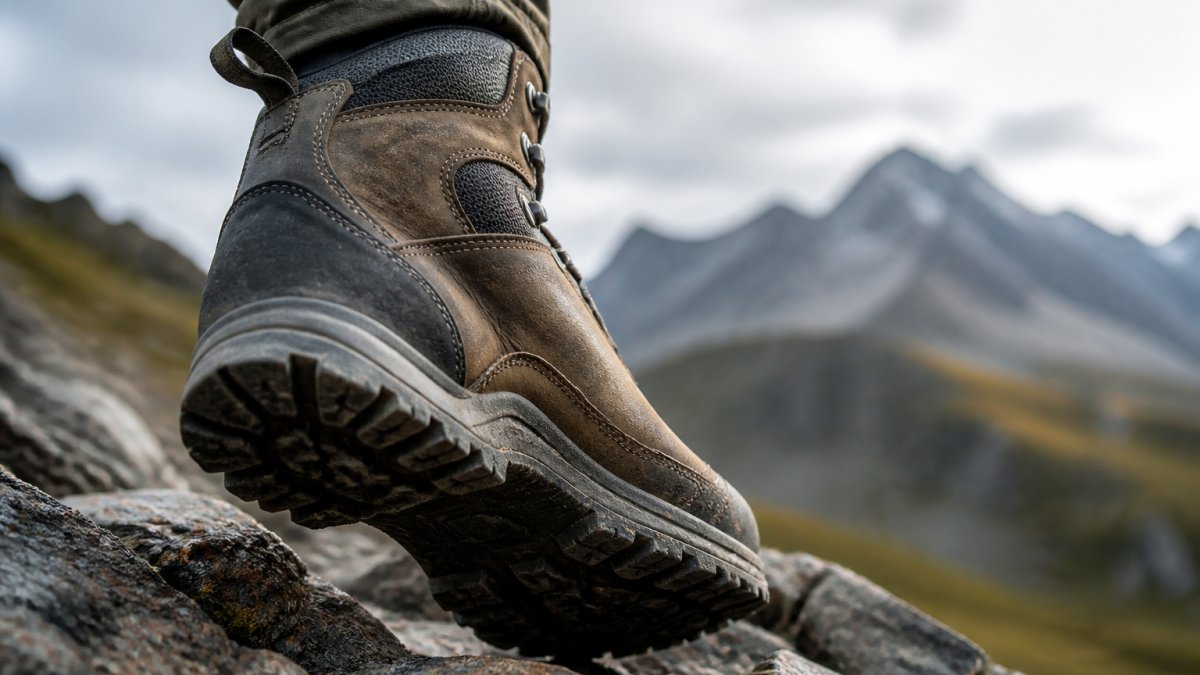
The answer isn't the highest price tag, it's matching boot construction to your use case: desert hiking demands different durability features than alpine mountaineering.
Key Takeaway
True durability means the boot maintains structural integrity and support after hundreds of miles, not just looking tough in a product photo.
Waterproof Hiking Boots for Men: Protection That Lasts
Waterproof hiking boots for men protect your feet during wet conditions while maintaining breathability. A waterproof membrane alone doesn't guarantee durability; seams, collar design, surrounding materials, and component aging all matter.
How Waterproof Construction Fails Over Time
Seam separation is the most common waterproof failure. Taped seams (where a waterproof strip is bonded over stitching) last longer than sealed seams alone. Once separation begins, water follows the thread line into the boot interior, accelerating damage.
Membrane degradation occurs when Gore-Tex or similar laminates are exposed to oils, dirt, and UV light. The membrane's pores clog, reducing breathability first before waterproofing fails.
Adhesive failure happens where the membrane is glued to the upper material. Heat, moisture cycling, and flexing stress the bond. When adhesion fails, water seeps between layers and the boot becomes unrepairable. Direct heat drying accelerates this failure.
Collar and gusset leaks develop when the waterproof layer doesn't extend high enough. Boots with gusseted tongues (sewn to the upper on both sides) stay drier than loose-tongue designs, extending waterproof durability by preventing water from running down the tongue.
Choosing Waterproof Boots by Expected Lifespan
Look for boots with sealed seams where the waterproof layer is stitched, not glued. The best options pair microfiber leather or synthetic uppers with Gore-Tex or similar membranes to shed water while allowing sweat to escape.
Taped seams can add to waterproof lifespan. If you hike in wet conditions frequently, the premium can be worthwhile.
The Desert Combat Hiking Boots With Durable Outdoor Design feature microfiber leather construction that resists water penetration while remaining flexible in cold temperatures. At $36.07, they deliver solid waterproof protection without premium pricing. The trade-off: they use sealed seams rather than taped seams. They're best for day hikes and light backpacking in seasonal rain.
For serious wet-weather reliability, the Men's Mid-High Top Winter Mountaineering Hiking Boots ($44.13) offer suede uppers and rubber outsoles rated for mountain terrain. Suede requires more maintenance but can maintain waterproofing well. With regular conditioning, you can expect reliable waterproof performance.
Testing Waterproof Durability Before Purchase
Before committing to a long trip, test any waterproof boot in humid conditions. Wear them on a wet day hike and note where water first enters.
Watch Out
Waterproof doesn't mean breathable. If moisture can't escape, your feet stay wet from sweat. A boot that keeps external water out but traps internal moisture will cause blisters and discomfort as quickly as a non-waterproof boot. Test any waterproof boot in humid conditions before committing to a long trip.
Backpacking Boots for Men: Engineered for Long-Distance Trails
Backpacking boots for men must support feet under 30-50 pound pack loads while remaining light enough for 15+ mile days. This requires stronger midsole support than day-hiking boots, but not the weight of mountaineering boots.
Backpacking boots use stiffer midsoles (rubber or EVA) that distribute load pressure across your foot rather than concentrating it at pressure points. They feature higher ankle collars to stabilize your foot on uneven terrain with a heavy pack.
The Men's Outdoor Hiking Boots High-top Single-layer Shoes ($39.43) provide mid-height ankle support with sporty design. Single-layer construction keeps them lighter than padded alternatives, ideal for 20-mile daily coverage.

For heavier loads or technical terrain, the Mid-Top Military Combat Hiking Boots For Outdoor Training ($63.34) deliver serious support. Available in multiple heights and colors, they're engineered for extreme challenges and extended expeditions.
| Boot Type | Best Load Range | Midsole Support | Ankle Height | Price Range |
|---|---|---|---|---|
| Day Hiking | 0-20 lbs | Moderate | Low to Mid | $26-$40 |
| Backpacking | 20-50 lbs | Firm | Mid to High | $35-$65 |
| Mountaineering | 30+ lbs | Very Firm | High | $60+ |
Leather Hiking Boots for Men: Classic Construction for Longevity
Leather hiking boots for men outlast synthetic alternatives when properly maintained. Full-grain leather molds to your foot shape and improves with age, but requires regular care and slower break-in.

The Men's Leather Low-Top Outdoor Hiking Boots For Winter ($34.62) use synthetic leather with cotton lining, offering a middle ground between durability and convenience. The low-top design sacrifices ankle support but reduces weight and break-in time.
For traditional leather construction, the Mens Outdoor Battlefield Training Hiking Boots use space leather material designed for durability across multiple seasons. At $46.03, they balance authentic leather performance with modern manufacturing. Space leather is designed for durability across multiple seasons.
Pro Tip
Leather boots need conditioning every 3-6 months and prompt drying after wet conditions. This maintenance extends boot life by 2-3 years compared to neglected leather. Waterproof leather conditioners prevent premature aging.
Durability by Terrain: Which Boots Handle Your Conditions
Different terrains stress boots in different ways, and matching boot construction to your primary terrain extends lifespan significantly. A boot optimized for one environment often fails prematurely in another.
Desert and Rocky Terrain: Abrasion and Puncture Resistance
Desert hiking and rocky scrambling demand aggressive tread and puncture-resistant soles. Sharp rocks, volcanic scree, and jagged terrain cut through soft rubber and thin uppers quickly.
Expected wear pattern: Outsole wear accelerates on rocky terrain. The heel and ball of the foot wear unevenly as you navigate loose rock. Uppers can develop small cuts and scuffs that can progress to punctures if the material is thin.
Durability factors: Look for boots with rubber outsoles rated for rock scrambling (usually labeled "aggressive tread" or "climbing-rated"). Vibram or similar premium outsole brands resist cutting better than generic rubber. Microfiber leather uppers resist abrasion better than canvas or thin synthetics.
Men's Training Combat Boots Outdoor Hiking Shoes →
Lifespan estimate: A quality boot on rocky terrain lasts 400-600 miles before outsole replacement becomes necessary, versus 800-1200 miles on maintained trails. The Desert Combat Hiking Boots excel here. The microfiber leather resists abrasion from sharp rocks and sand.
Wet Forest and Muddy Trails: Waterproofing and Drainage
Muddy and wet forest trails stress waterproofing and drainage systems. Constant moisture exposure accelerates seam separation and adhesive failure. Mud buildup in tread reduces traction and adds weight.
Expected wear pattern: Seams can fail faster in wet conditions due to constant moisture cycling. Midsole compression can increase as water softens EVA and rubber compounds. Tread clogs with mud, reducing grip and requiring frequent cleaning.
Durability factors: Taped seams (not just sealed) extend waterproof lifespan significantly. Drainage channels in the midsole prevent water pooling that accelerates material breakdown. Gusseted tongues prevent water from running down into the foot. Rubber outsoles resist mud buildup better than softer compounds.
Lifespan estimate: A quality waterproof boot on muddy trails lasts 2-3 years of regular use (40+ days per year) before waterproofing fails. The Men's Mid-High Top Winter Mountaineering Hiking Boots handle sustained moisture exposure well.
High-Altitude and Alpine Terrain: Structural Support Under Load
Alpine terrain combines steep grades, uneven footing, and heavy pack loads. Boots must maintain structural support as midsoles compress and uppers flex repeatedly.
Expected wear pattern: Midsole compression accelerates under heavy loads. The heel and arch can compress over a season of alpine hiking. Uppers develop creases and stress points where the boot flexes most.
Durability factors: Stiffer midsoles (usually polyurethane or dual-density EVA) resist compression better than soft EVA. Reinforced ankle collars maintain support longer. Full-grain leather uppers resist creasing better than microfiber.
Lifespan estimate: A mountaineering-grade boot on alpine terrain lasts 600-900 miles before midsole compression noticeably reduces support. The Men's Outdoor Hiking Boots For Camping And Adventure ($26.84) work for lighter alpine use (under 30 pounds).
For heavier loads or technical terrain, the Mid-Top Military Combat Hiking Boots For Outdoor Training ($63.34) deliver serious support. Available in multiple heights and colors, they're engineered for extreme challenges and extended expeditions.
Established Trail and Mixed Terrain: Balanced Durability
Established trails with mixed terrain (dirt, gravel, occasional rocks) represent the most common hiking scenario. Boots optimized for this environment offer the best value because wear is distributed evenly.
Expected wear pattern: Outsole wear is gradual and even. Uppers develop minor scuffs but rarely puncture. Midsole compression is minimal. Seams remain intact if the boot is maintained.
Durability factors: Mid-range construction (sealed seams, moderate midsole stiffness, durable synthetics) is sufficient. Maintenance becomes the primary factor in lifespan extension.
Lifespan estimate: A quality boot on established trails lasts 800-1200 miles or 4-6 years with proper care. This is the baseline for most hiking boots. Boots in this category offer the best cost-per-mile value because they don't require premium construction for conditions they'll rarely encounter.
Pro Tip
Match your boot construction to your primary terrain, not your occasional adventures. A boot optimized for alpine mountaineering will feel heavy and stiff on flat trail walks. A lightweight trail boot will fail prematurely on rocky scrambles. Identify where you'll spend 70% of your hiking time and choose accordingly.
How to Care for Hiking Boots and Extend Their Lifespan
Durable hiking boots for men require intentional maintenance to reach their full lifespan. Most boot failures happen not because of manufacturing defects but because owners neglect basic care.
After every hike, remove dirt and debris while boots are still damp using a soft brush.
For leather boots, apply conditioner every three months during heavy use to replenish natural oils and prevent cracking. For synthetic boots, occasional mild soap and water cleaning suffices. Both benefit from annual waterproof treatments.
Inspect boots regularly for worn heels, separated seams, or midsole compression. Professional resoling can extend boot life. Catching seam separation early prevents water intrusion that destroys structural integrity.
Store boots in a cool, dry place during off-season. Remove insoles to dry separately and stuff boots with newspaper to maintain shape. This prevents mold, odor, and material degradation.
Key Takeaway
Proper maintenance extends boot life. The cost of conditioning and occasional repairs is far less than replacing boots prematurely.
The right durable hiking boots for men match your terrain, support your load, and handle weather conditions you'll actually encounter. Start with boots matched to your primary use case, invest in proper maintenance, and you'll have reliable footwear for years of trail exploration. Add to Cart and explore our full selection of durable hiking boots designed for your next adventure.
Frequently Asked Questions
What are the most durable hiking boots for men?
Durable hiking boots for men combine full-grain leather or microfiber uppers, rubber outsoles with aggressive lug patterns, and well-sealed seams. Look for boots with protective toe caps, ankle stability features, and mid-to-high shaft heights. Granite Peak Gear Co. offers options like the Mens Outdoor Battlefield Training Hiking Boots ($46.03) with space leather construction and the Mid-Top Military Combat Hiking Boots ($63.34) designed for extreme challenges. These feature reinforced construction for harsh terrain and heavy loads.
How long should a good pair of hiking boots last?
Quality hiking boots can last for many years with regular use and proper maintenance. Lifespan depends on terrain difficulty, frequency of use, and care. Boots used on moderate trails with weekly hikes can last longer than those on rocky alpine terrain weekly. Resoling can extend life. Granite Peak Gear Co.'s durable options are built with materials and construction methods that support multi-season use when properly maintained.
What features make hiking boots durable?
Durability comes from several key features: full-grain or microfiber leather uppers resist punctures and abrasion; rubber outsoles with deep lug patterns maintain traction through wear; well-stitched seams prevent water infiltration and structural failure; protective toe caps shield against rock impacts; and mid-to-high ankle support reduces stress on joints and boot materials. Materials like space leather and suede offer wear resistance. Proper cushioning and midsole construction distribute impact, reducing material fatigue over time.
How do you make hiking boots last longer?
Regular maintenance extends boot life significantly. Clean boots after each hike with a soft brush and mild soap, removing dirt and salt. Dry them at room temperature away from direct heat, which cracks leather and adhesives. Apply waterproofing treatments regularly. Store in a cool, dry place. Rotate between two pairs to allow full drying between uses. Replace insoles when worn. Have soles professionally resoled when tread wears down.

